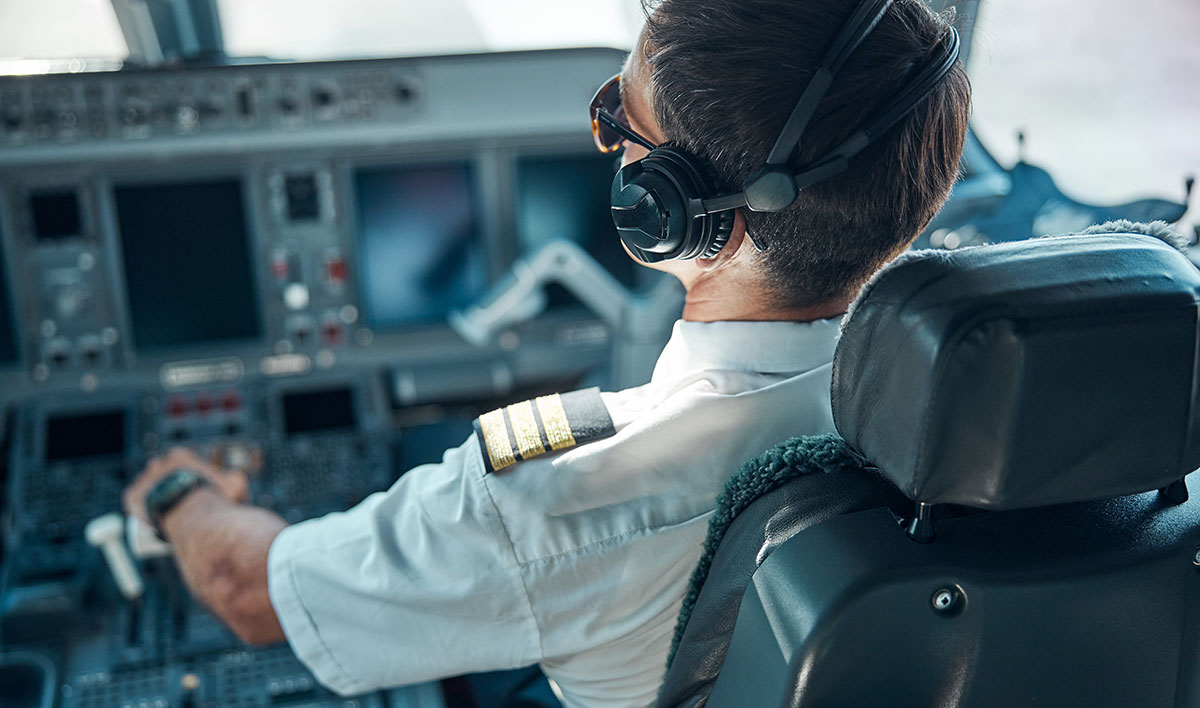
Change is something every pilot learns to live with. No two flights are the same. Weather shifts, plans get adjusted, and mechanical surprises can appear at any time. In the cockpit, change is constant, and how you respond to it matters more than the change itself.
When I joined the United States Air Force, I thought flying was mostly about technical skill. I quickly learned that flying is just as much about mental control. You need to stay calm when things don’t go as planned and make good decisions even when your heart is racing. Over the years, that mindset has become part of who I am, and it has helped me not just as a pilot but also as a husband, a father, and a teacher.
Staying Calm When Everything Changes
In flight training, one of the first lessons they teach you is that panic solves nothing. If something goes wrong in the air, the worst thing you can do is let fear take over. You learn to slow down your thoughts and work through the checklist one step at a time. Aviators call it “fly the plane first.”
That lesson applies directly to everyday life. When I face challenges outside aviation, whether it’s a sudden career change, an unexpected move, or a family emergency, I remind myself to “fly the plane.” It means focusing on what’s in front of you, handling one problem at a time, and not letting emotions run the show.
Staying calm doesn’t mean you ignore stress. It means you manage it so that it doesn’t manage you. When my daughter was born, I experienced a kind of stress I had never known before. The sleepless nights, the responsibility, and the fear of not doing things right were real. But the same mindset that got me through turbulence at 30,000 feet helped me stay patient on the ground too.
Control What You Can, Accept What You Can’t
Pilots are trained to control what’s controllable and to accept what isn’t. You can’t control the weather, but you can plan for it. You can’t stop a delay, but you can communicate and adapt. This approach creates peace in situations that would otherwise create frustration.
In everyday life, that mindset is powerful. There are times when work schedules change, travel gets canceled, or plans fall apart. Instead of wasting energy on what’s out of my control, I focus on what I can influence. That small shift in perspective keeps me grounded.
I have learned that resilience is not about being tough all the time. It’s about being flexible and calm when things don’t go your way. Just like in flying, life throws headwinds and detours at you. You can fight them or adjust your course. The choice makes all the difference.
Training the Mind Like a Muscle
Resilience is not something you are born with. It is something you build through repetition. Every flight, every simulation, and every unexpected challenge strengthens your mental endurance. The Air Force did a great job of teaching that through routine and structure.
In my personal life, I use the same approach. I try to maintain routines that keep me steady even when life changes around me. Exercise, sleep, and time with my family are my version of preflight checks. They keep me sharp and focused.
When I teach new pilots, I emphasize that confidence comes from preparation. The more you practice, the calmer you become when real challenges arrive. The same rule applies to life. You prepare your mind through consistency so that when uncertainty shows up, you already know how to handle it.
Learning to Reset After a Rough Landing
Not every flight is smooth. Sometimes you make mistakes, and sometimes you have to deal with turbulence or an imperfect landing. What matters most is how quickly you reset. In aviation, there is no room to dwell on failure. You analyze what went wrong, learn from it, and move on.
That skill has been invaluable outside the cockpit. Life has its share of rough landings too. Maybe a plan falls apart or a goal doesn’t work out. When that happens, I give myself permission to reflect but not to get stuck. The lesson is simple: acknowledge what happened, make adjustments, and take off again.
Learning to reset is a huge part of resilience. It helps you move forward without carrying unnecessary baggage. Pilots know that clear minds make better decisions, and that’s true for anyone trying to navigate change in life.
Supporting Others Through Turbulence
Flying taught me that resilience isn’t just a personal skill. It’s also about helping others stay steady. When you are part of a flight crew, you rely on each other to stay focused and calm. Good communication and support keep the team aligned.
In my family, I try to do the same thing. My wife and I support each other when things get busy or stressful. We talk openly, share responsibilities, and remind each other to take breaks. As a father, I want to model calmness and problem-solving for my daughter. If she grows up seeing that steady approach to challenges, I hope it will give her the same confidence flying gave me.
At work, when I train pilots or collaborate with others, I try to create that same supportive atmosphere. Resilience grows faster when people feel safe to make mistakes and learn from them.
Finding Freedom in Adaptability
Change is inevitable. It happens in the air, in careers, and in family life. The ability to adapt without losing focus is what separates good pilots from great ones. The same holds true in life.
What I love about flying is that no two flights are ever identical. There is always something new to learn or adjust to. That keeps me humble and curious. It reminds me that control is limited, but attitude is not.
Over time, I’ve realized that the freedom pilots feel when they fly comes from the structure that supports it. The discipline, the training, and the resilience make it possible to handle the unknown. That same balance between structure and freedom is what keeps life steady when everything around you is changing.
Embrace The Shift
Flying teaches you how to stay composed when the world shifts around you. The lessons go far beyond aviation. Whether it is weathering a tough season at work or navigating the challenges of raising a family, resilience is about staying calm, thinking clearly, and trusting your preparation.
The cockpit may be where I learned those lessons, but they apply everywhere. The sky changes, life changes, and plans change. The goal is not to fight change but to fly through it with patience, perspective, and faith that you will find your course again.